

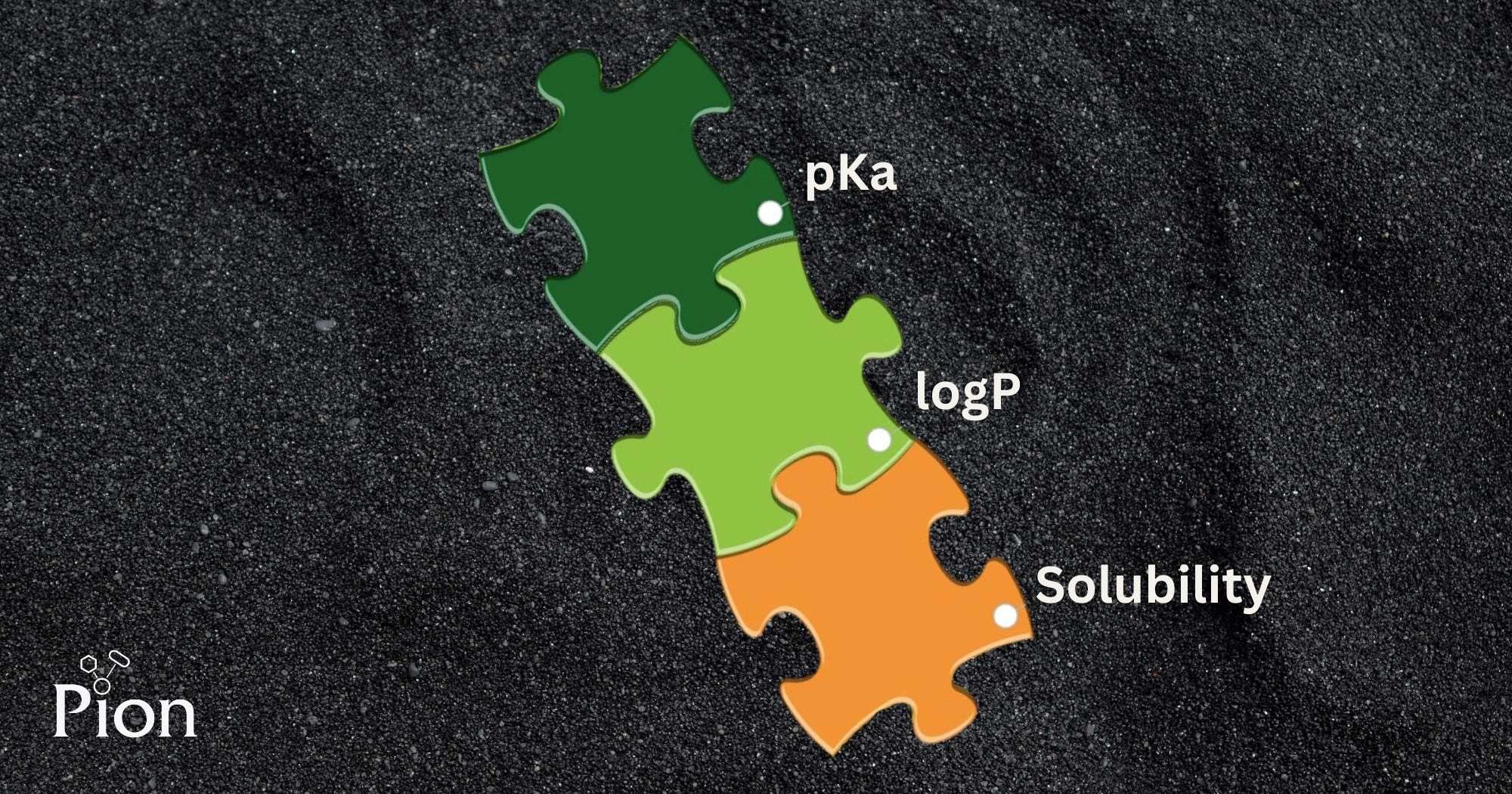
Building the Compound Characterization Puzzle in Drug Discovery
Bringing a single drug candidate to the clinic can take 10–15 years and requires substantial financial investment. One of the key determinants of R&D productivity is how efficiently weak candidates are eliminated early — before costly preclinical and clinical development.
Drug discovery is often described as a pipeline — but in reality, it is more like solving a complex puzzle.
Each molecule represents a potential solution. The challenge is that not all pieces fit — and if we force the wrong ones together early, the full picture will never come together later in development.
When we talk about drug development failure, attention usually focuses on clinical trials. However, the most critical filtering step happens much earlier — during discovery. By the time a compound enters clinical testing, years of research and substantial resources have already been invested. If the wrong pieces were selected at the beginning, late-stage failure becomes much more likely.
This is why early drug selection is so important. It is also why thorough compound characterization should be viewed as a puzzle — one that must be assembled carefully and systematically.
The individual physicochemical properties are the pieces of that puzzle. Each provides essential information about how a molecule is likely to behave in a biological system. Only when these pieces are correctly understood and combined can the full picture emerge.
Among the many parameters assessed during drug characterization, three properties consistently shape outcomes in small-molecule drug discovery: lipophilicity, solubility, and ionization.
Lipophilicity
influences how a molecule interacts with biological membranes and proteins. Because membranes are lipid-based, some degree of lipophilicity is necessary for permeability. However, too much can increase non-specific binding, metabolic instability, and toxicity risk. Too little can limit absorption. This piece connects multiple aspects of pharmacokinetics and safety.
Solubility
is another essential piece. A drug must dissolve before it can be absorbed. Compounds with excellent in vitro potency may fail in vivo simply because they do not achieve sufficient systemic exposure. When solubility is inadequate, the broader characterization picture remains incomplete.
Ionization
governed by pKa, is a fundamental piece that influences absorption, tissue distribution, and clearance by determining the charge state of a molecule at physiological pH. It also shapes the balance between permeability and solubility, linking several other elements of the puzzle together.
If even one of these pieces is missing or misaligned, the overall compound characterization puzzle becomes distorted. Potency alone cannot compensate for gaps in understanding how a molecule will behave in vivo.
This is where advanced analytical solutions such as SiriusT3 play a critical role – by enabling precise and reliable measurements of key properties such as pKa, logP/logD, and solubility. With robust, accurate data in hand, scientists can make better-informed decisions, eliminate high-risk candidates earlier, and increase confidence in the molecules that progress forward.
In modern drug discovery, improving productivity is not about screening more molecules. It is about assembling the drug characterization puzzle early — selecting candidates whose individual property pieces fit together to create a coherent and developable profile.
SiriusT3 helps ensure that the individual pieces of the characterization puzzle are accurately defined, because only when the puzzle is complete can a molecule’s true potential be confidently assessed.
Frequently Asked Questions
Why is compound characterization so important in early drug discovery?
Compound characterization determines whether a molecule has the right physicochemical profile to succeed in vivo. While potency may identify promising candidates, properties such as lipophilicity, solubility, and ionization ultimately influence absorption, distribution, metabolism, and safety. Early, accurate characterization helps eliminate high-risk compounds before costly preclinical and clinical stages.
What are the most critical physicochemical properties in small-molecule drug discovery?
Three properties consistently shape development outcomes:
- Lipophilicity (logP/logD) – Influences membrane permeability, protein binding, and metabolic stability.
- Solubility – Determines whether a compound can dissolve sufficiently to achieve systemic exposure.
- Ionization (pKa) – Controls charge state at physiological pH, affecting permeability, solubility, and clearance.
Together, these parameters form the foundation of a developable compound profile.
How does lipophilicity affect drug development success?
Lipophilicity impacts how a molecule interacts with lipid membranes and biological targets. Moderate lipophilicity supports permeability, but excessive lipophilicity can increase non-specific binding, metabolic instability, and toxicity risk. Optimizing logP or logD early helps balance efficacy with safety and pharmacokinetics.
Why can highly potent compounds still fail in development?
Potency alone does not guarantee success. A compound with strong target affinity may fail if it has poor solubility, unfavorable ionization properties, or excessive lipophilicity. Without adequate systemic exposure or a balanced ADME profile, even potent molecules may not demonstrate efficacy in vivo.
What role does pKa play in drug absorption and distribution?
pKa determines the ionization state of a molecule at physiological pH. Because only certain charge states readily cross biological membranes, pKa directly influences absorption and tissue distribution. It also affects solubility and clearance, making it a central parameter in compound optimization.
